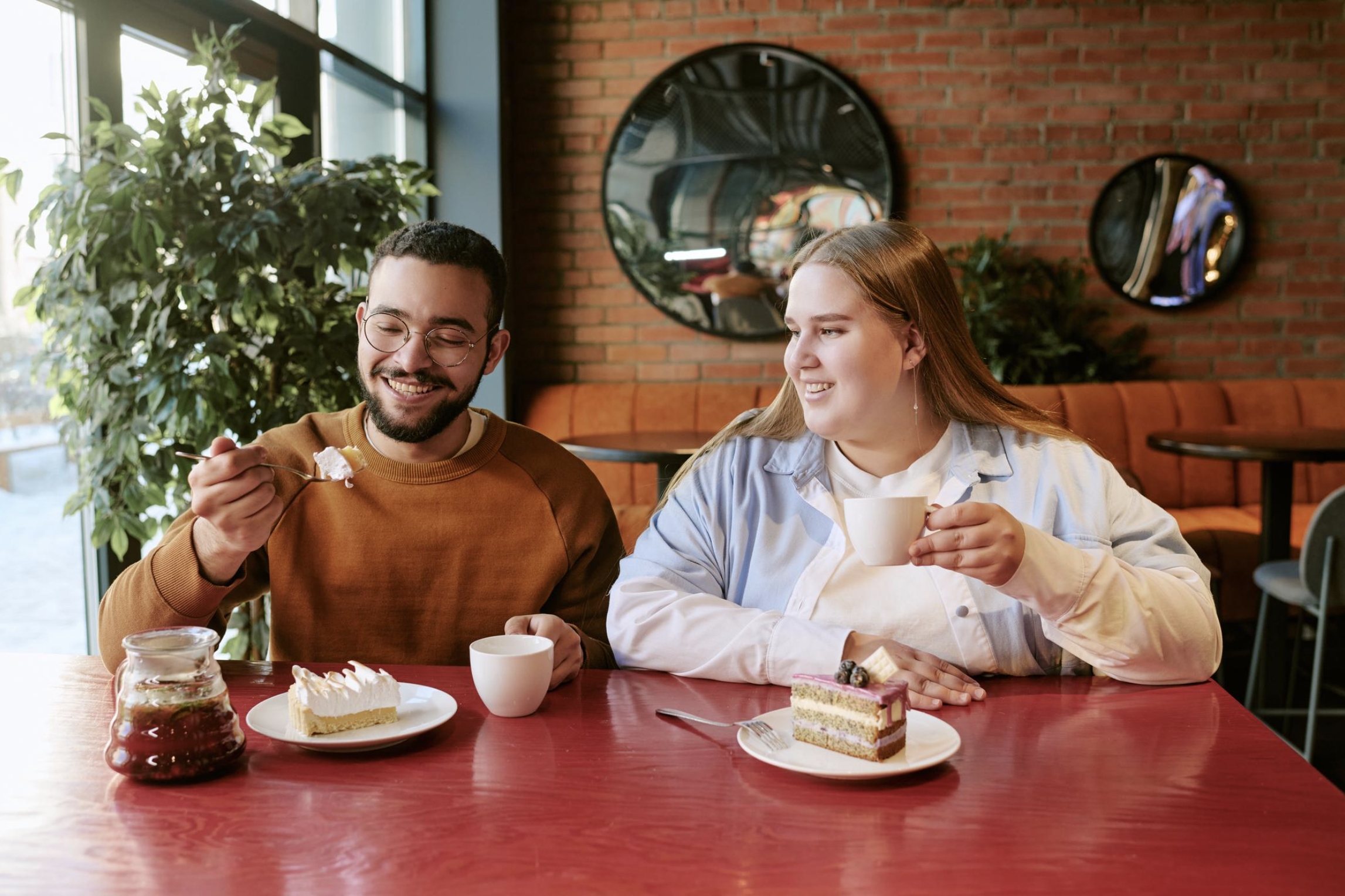
How to Save Money Without Giving Up Your Little Treats
Whether it’s your favourite coffee, a sweet treat from the bakery, or the occasional takeout order, little purchases can make everyday life more enjoyable. But when you’re trying to save money, these small indulgences are often the first things you consider cutting back on.
According to a 2025 Fig study, 51% of Canadians feel guilty spending money on themselves, even for small indulgences. Reducing unnecessary expenses can help you save, but it doesn’t mean you have to give up everything you enjoy.
Sometimes, saving money is less about the lack of spending, and more about being intentional with where your money goes. Here are three ways to be considerate to your finances while enjoying your favourite little treats:
Method 1: Make a Trade, Not a Sacrifice
When people think about saving money, they often focus on what they need to stop buying.
But what if you approached it differently?
Instead of eliminating something you enjoy, look for an expense you don't value as much and redirect that money towards something you do.
For example, you might be paying $12 a month for a streaming subscription you rarely use.
Cancelling it would free up $144 over the course of a year. Rather than letting that money disappear into your everyday spending, you could put it towards a few restaurant visits, a special purchase or another experience you'd enjoy more.
The same idea can apply to other areas of your budget.
Maybe you prefer making lunch at home but really enjoy your morning café visit. Or perhaps you'd rather skip an occasional impulse purchase to save for a concert or weekend activity.
The goal is to identify which purchases add the most value to your life and which ones you could comfortably do without.
To get started, look through your recent non-essential spending and ask yourself:
Which purchases did I genuinely enjoy?
Which expenses have become habits rather than things I actively want?
Is there something I'd rather spend that money on?
You don't necessarily need to reduce every category of spending. Sometimes, shifting money from one expense to another can help you enjoy your budget more without increasing your total spending.
Why try it? Making intentional trades allows you to prioritize the purchases that matter to you, rather than treating every non-essential expense as something you need to eliminate.
Method 2: Roll Over Allowance
Setting aside money for little treats isn't a new concept, but there's a way to make it more flexible: let your unused allowance roll over into the next month.
Instead of treating your monthly spending limit as something you need to use up before it resets, think of it as a small fund that can grow over time.
For example, imagine you've allocated $30 a month for treats. One month, you spend $15 on coffee and snacks, leaving you with $15.
Rather than starting from zero the following month, you carry that $15 forward. With your next $30 contribution, you now have $45 available.
You could use that money for a few smaller purchases or save it towards something a little more expensive, like dinner at your favourite restaurant.
The key is to keep your monthly contribution consistent and within what you can comfortably afford after covering essential expenses and other savings priorities.
Why try it? A rollover allowance gives you more flexibility without increasing the amount you're setting aside. It also removes the pressure to spend money simply because it's available.
Method 3: Treat Rotation
Sometimes, it's not one particular purchase that adds up. It's the combination of several small expenses throughout the week.
Maybe you enjoy picking up coffee, ordering takeout, browsing your favourite shops and treating yourself to weekend activities. Individually, these purchases might fit your budget, but together, they can take up more room than you intended.
Instead of cutting them all out, try rotating your treats.
The idea is simple: choose one type of treat to prioritize each week, rather than trying to fit everything into the same spending period.
For example:
Week 1: Pick up your favourite coffee or bakery treat.
Week 2: Order takeout from a restaurant you've been craving.
Week 3: Buy a small item you've had your eye on.
Week 4: Enjoy a movie, activity or outing with friends.
You can adjust the rotation to suit your interests, schedule and budget. Some weeks might not include a treat at all, while others might involve something you've been planning for a while.
This approach isn't about following a strict calendar. It's about giving different purchases their own space instead of letting them overlap.
You may also find that having something to look forward to makes each treat feel a little more intentional.
Why try it? Rotating your treats can help you maintain variety in your spending while making it easier to notice how frequently you're purchasing non-essential items.
Saving Money Is About Finding Balance
Saving money doesn't have to mean saying goodbye to every little treat.
A rollover allowance can give you more flexibility, rotating your treats can help you spread out purchases, and making thoughtful spending trades can create room for the things you enjoy most.
Of course, everyone's financial situation is different. The amount you can comfortably set aside for non-essential purchases will depend on your income, expenses and financial priorities.
The important thing is finding an approach that works for you.
Because saving money isn't always about spending less on everything. Sometimes, it's simply about spending differently.
DISCLAIMER: This article is for informational purposes only and is not intended as legal or financial advice.